Yorkshire Based Graphic Design Student
The Art of
Ebru Marbling
Ebru marbling is an ancient art form, traditionally practised in regions such as Turkey and Central Asia, where pigment is floated on the surface of a thickened water bath and carefully manipulated before being transferred onto paper. While the process appears fluid and almost effortless, it relies on a precise understanding of materials, including the consistency of the size, the behaviour of the paint, and the absorbency of the paper.
Historically used for bookbinding and decorative papers, Ebru carries both cultural significance and technical discipline, combining controlled movement with an element of unpredictability that makes each print unique.

The Creative Process
In practice, however, this apparent simplicity is deceptive. Through extensive experimentation, I found that even minor adjustments, such as brush pressure, pigment dilution, or the timing of application—can dramatically alter the final outcome.
Achieving consistent results requires careful control and repeated refinement, often through trial and error over many hours of practice. This complexity is a key reason why Ebru is recognised as part of the endangered heritage skills list, as it demands a level of expertise and patience that is increasingly rare in contemporary making.


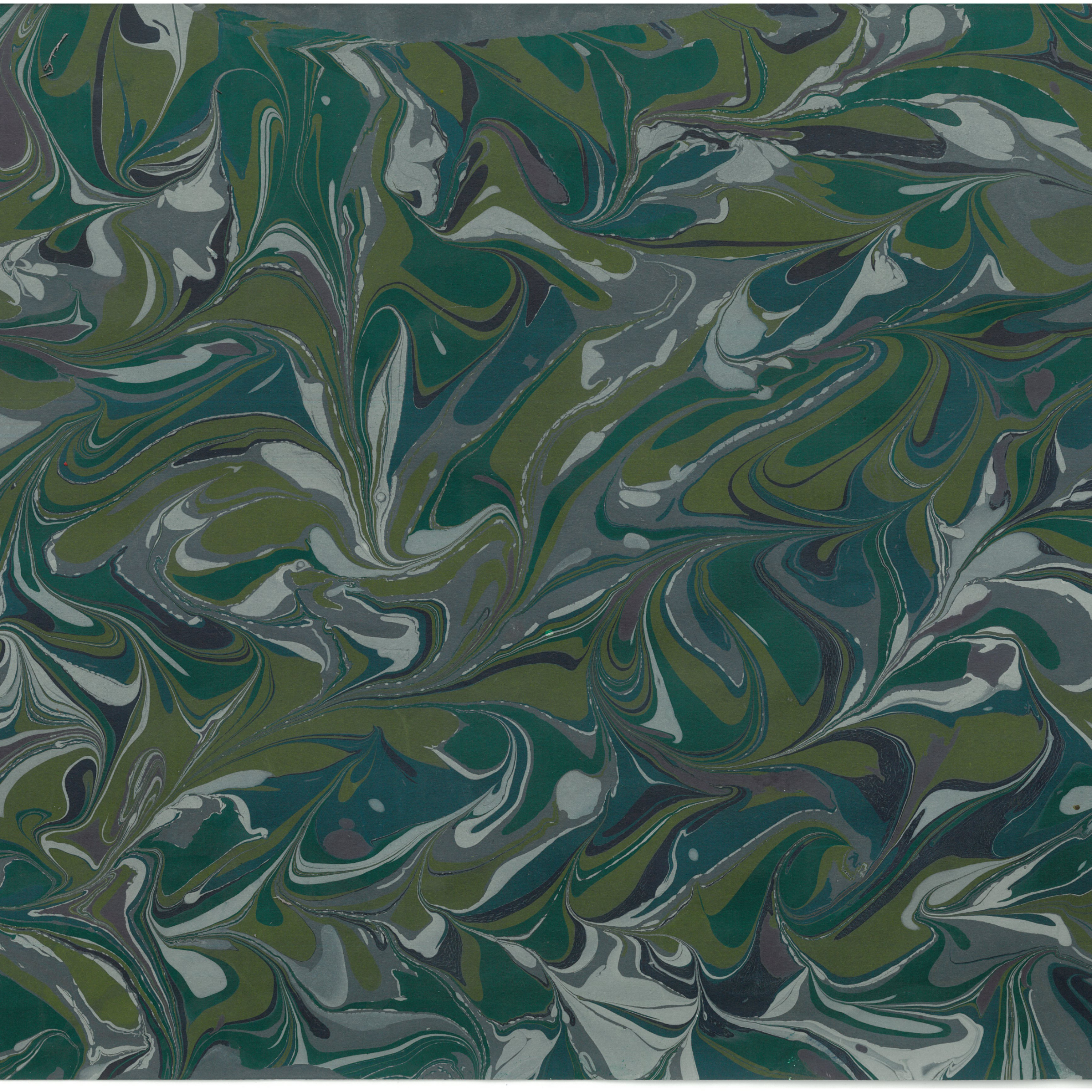
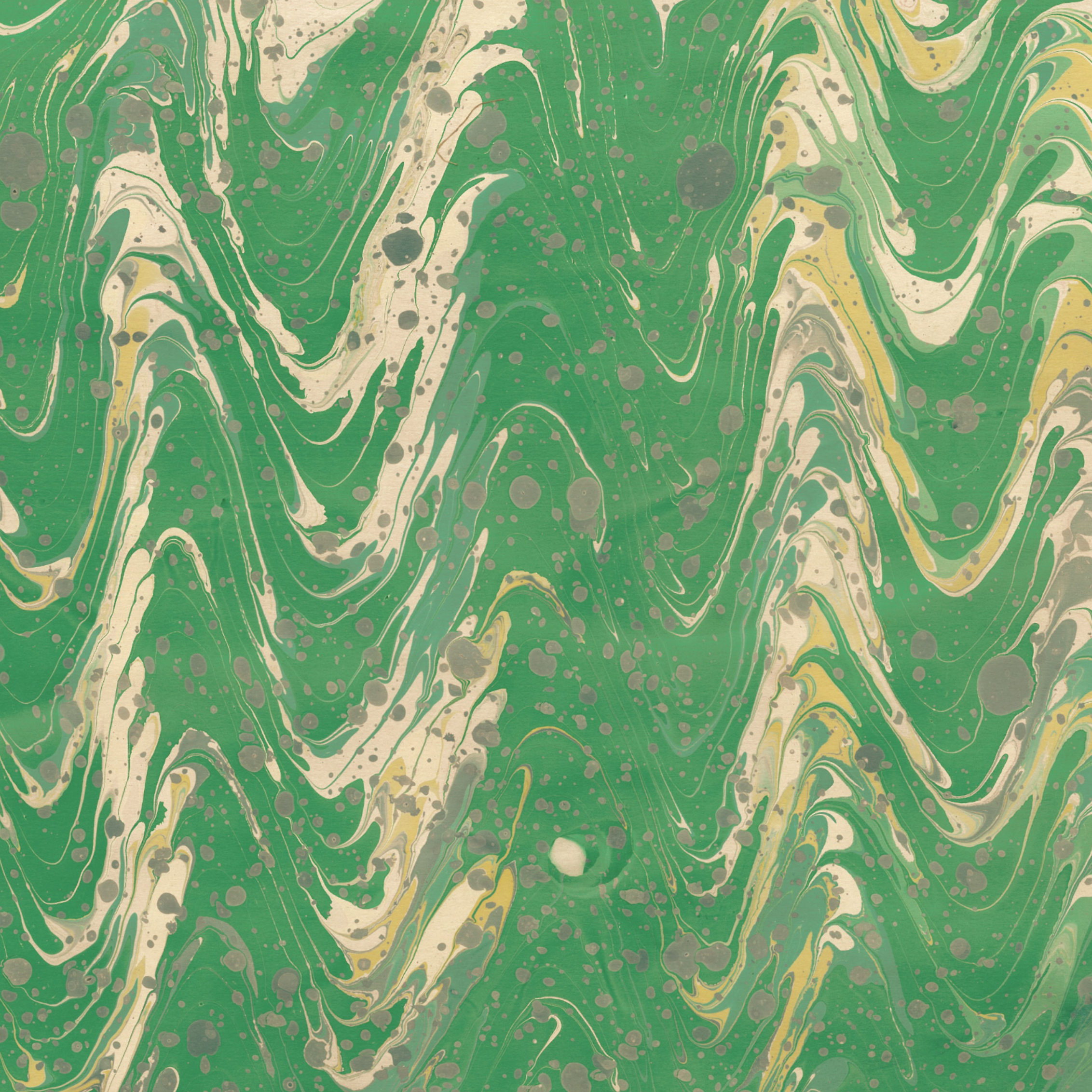
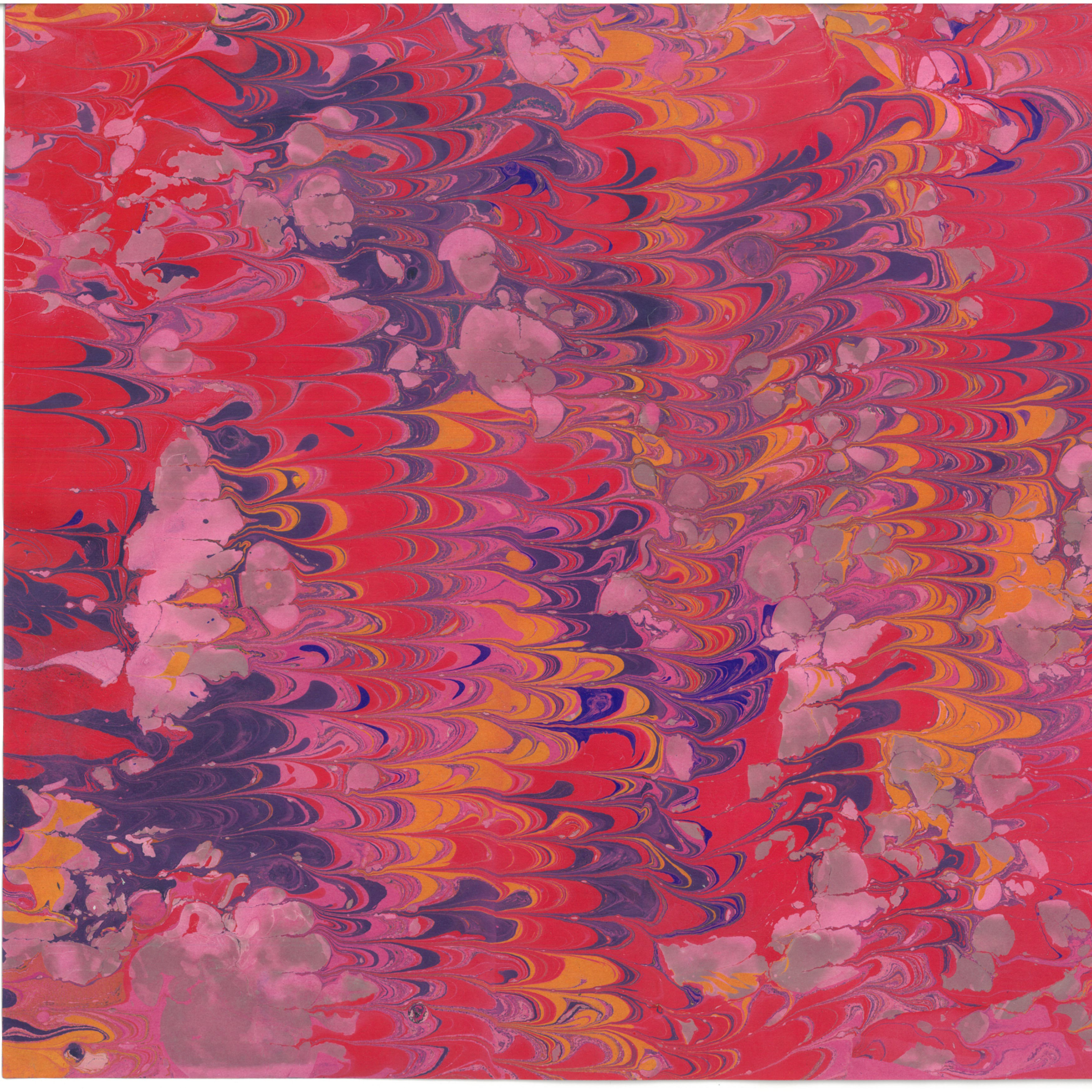
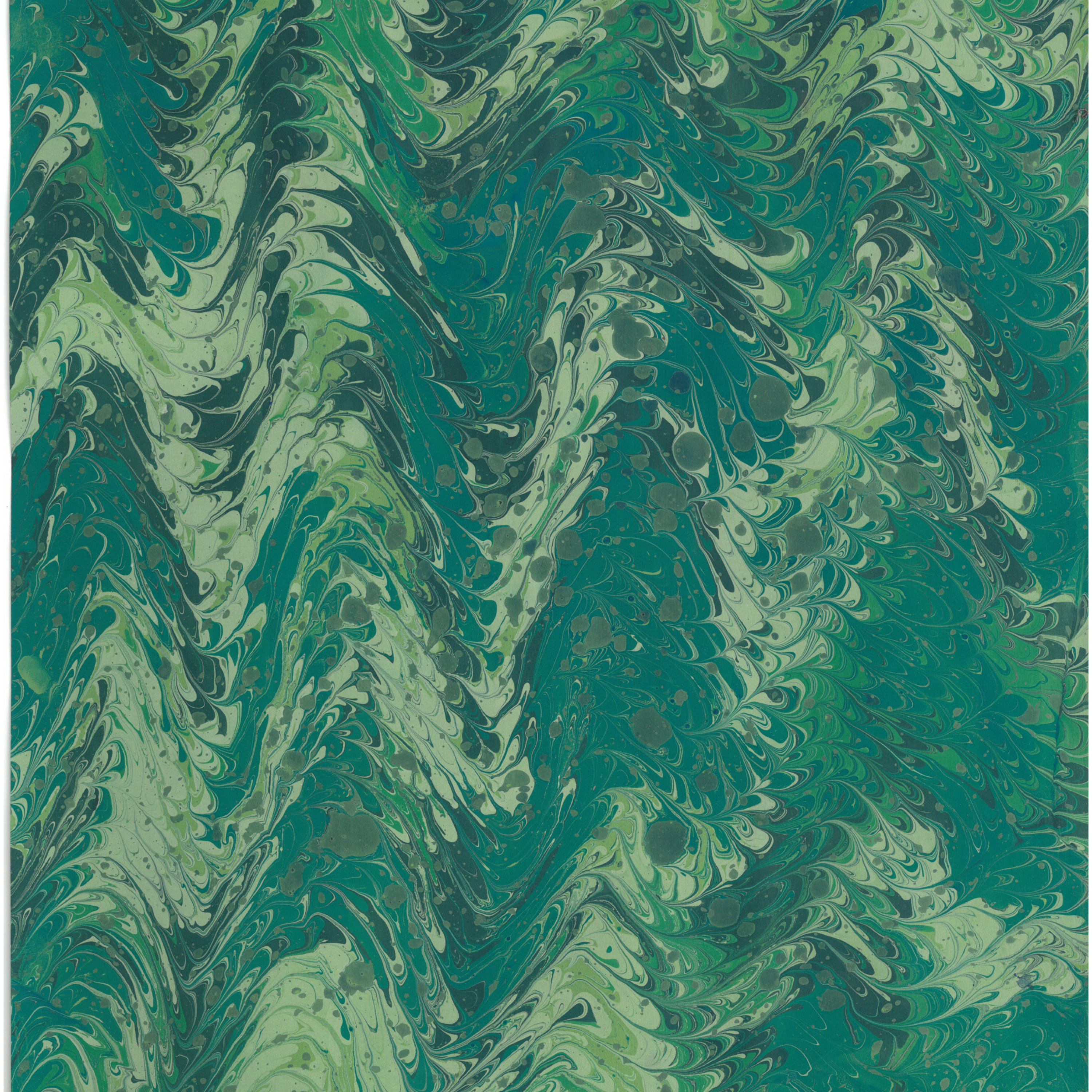
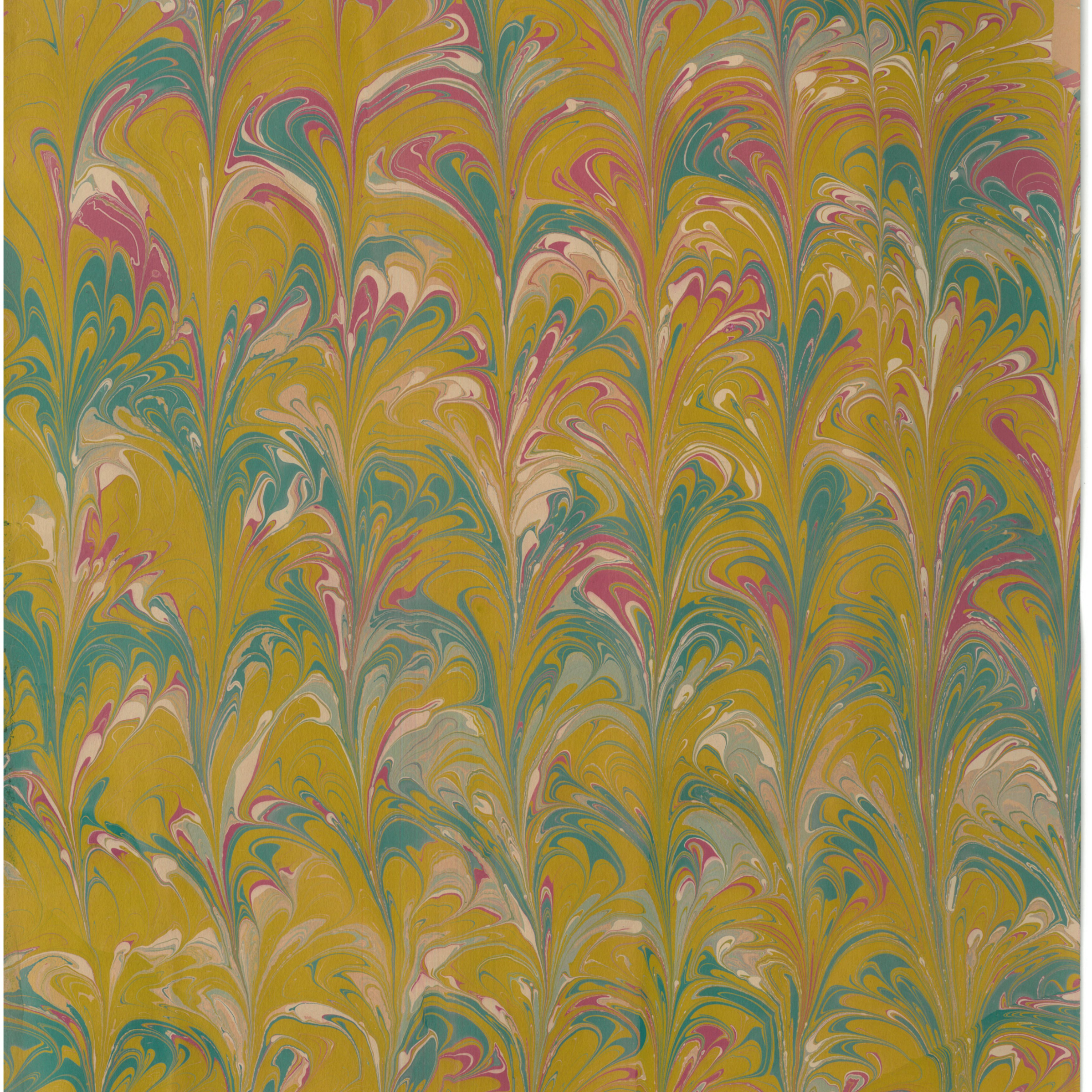
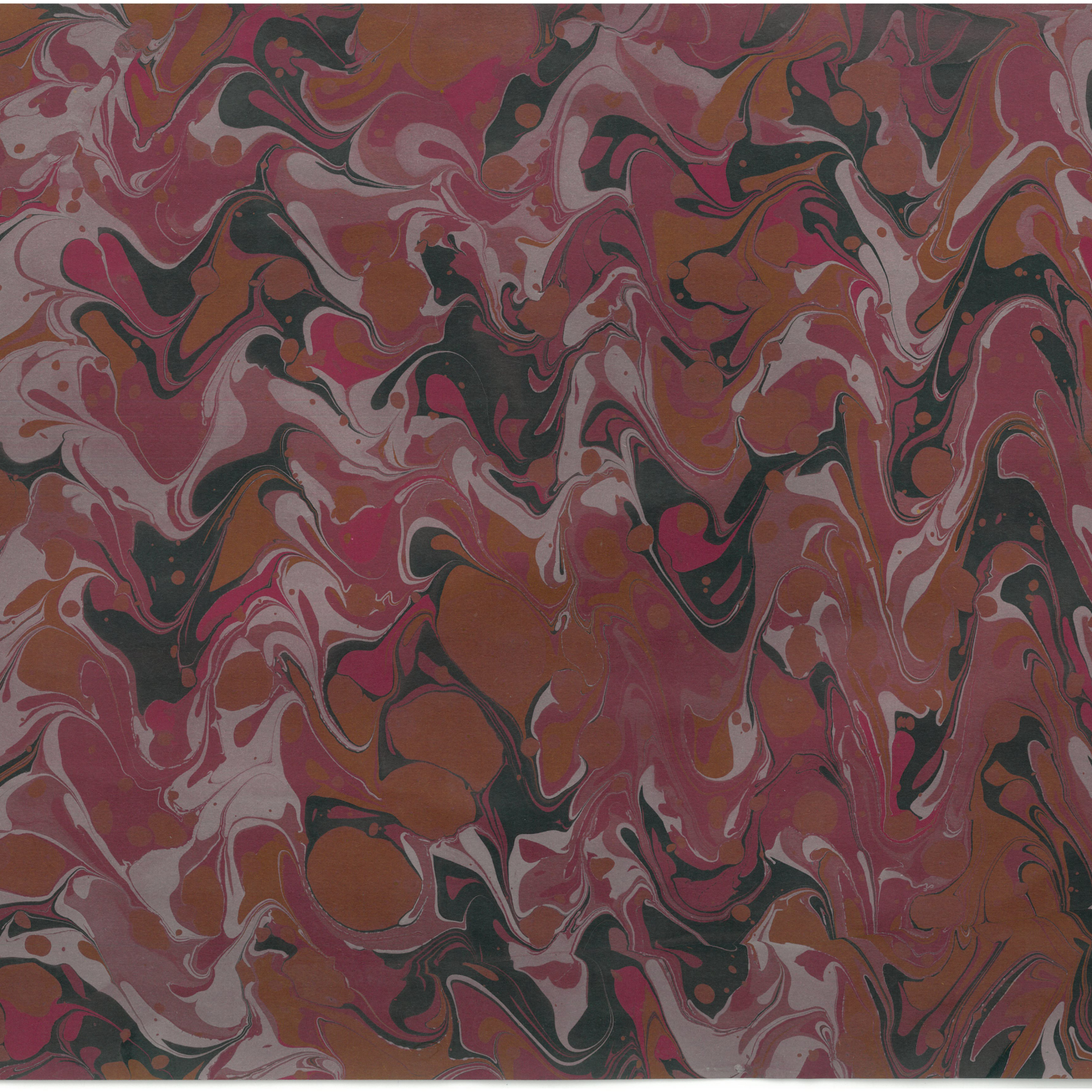
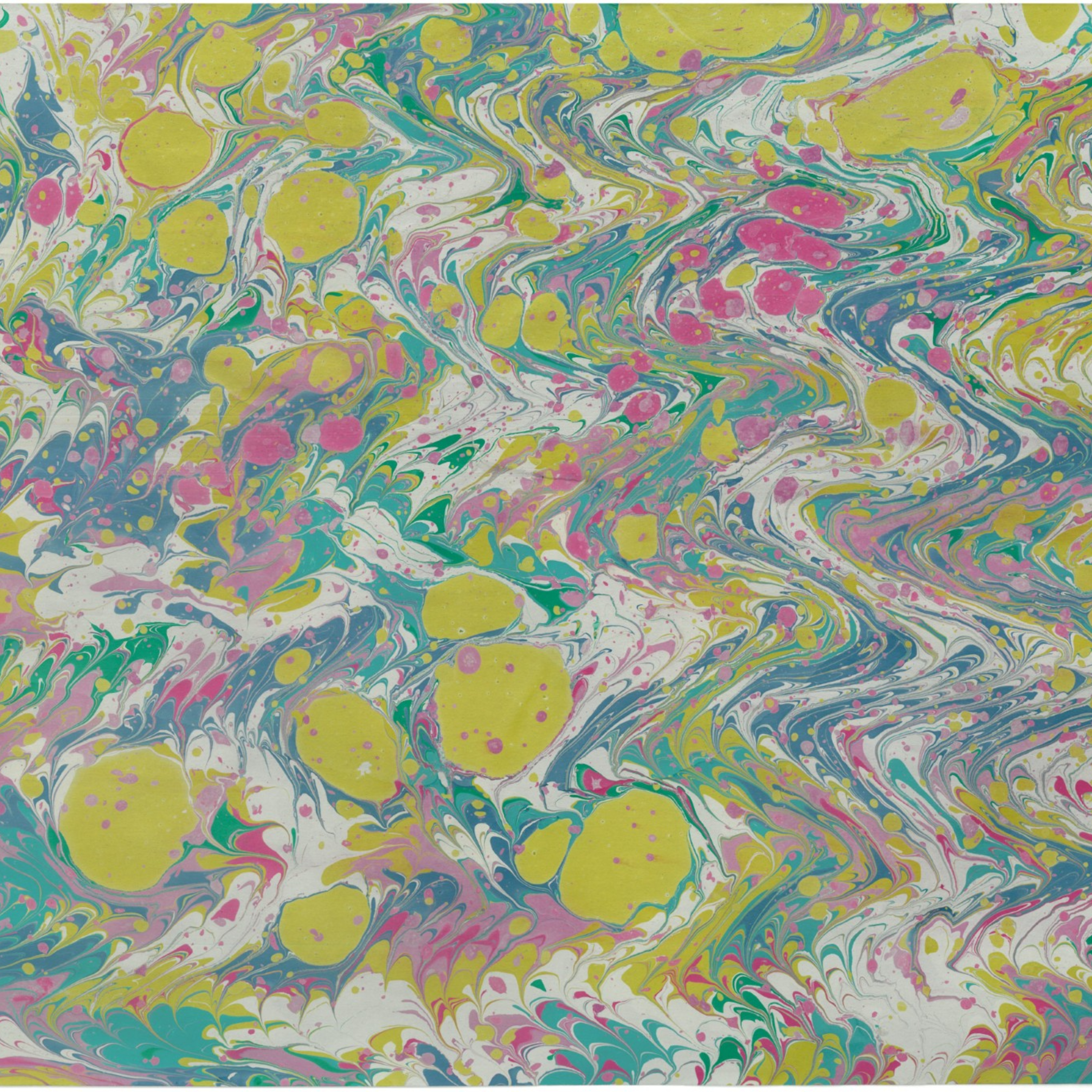
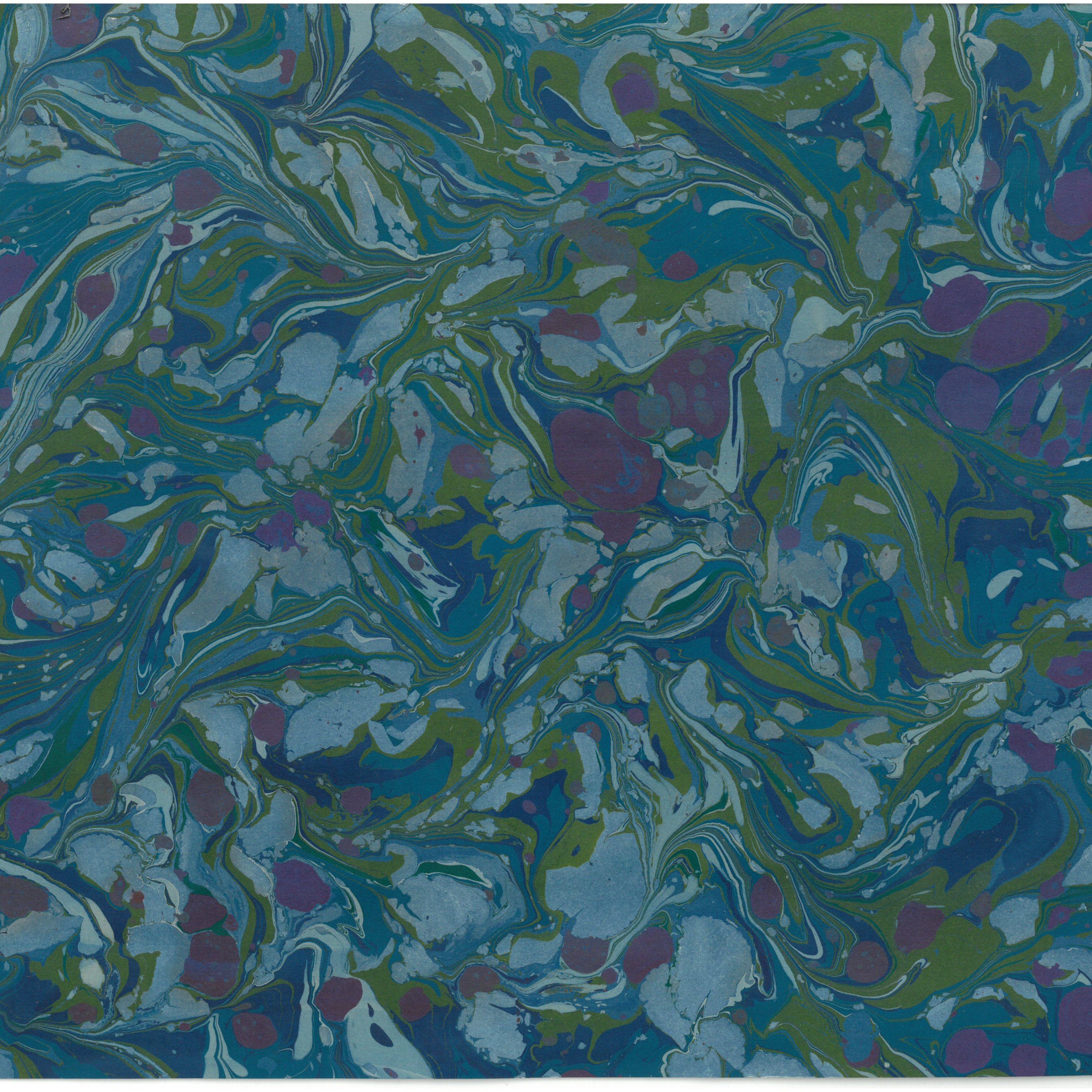
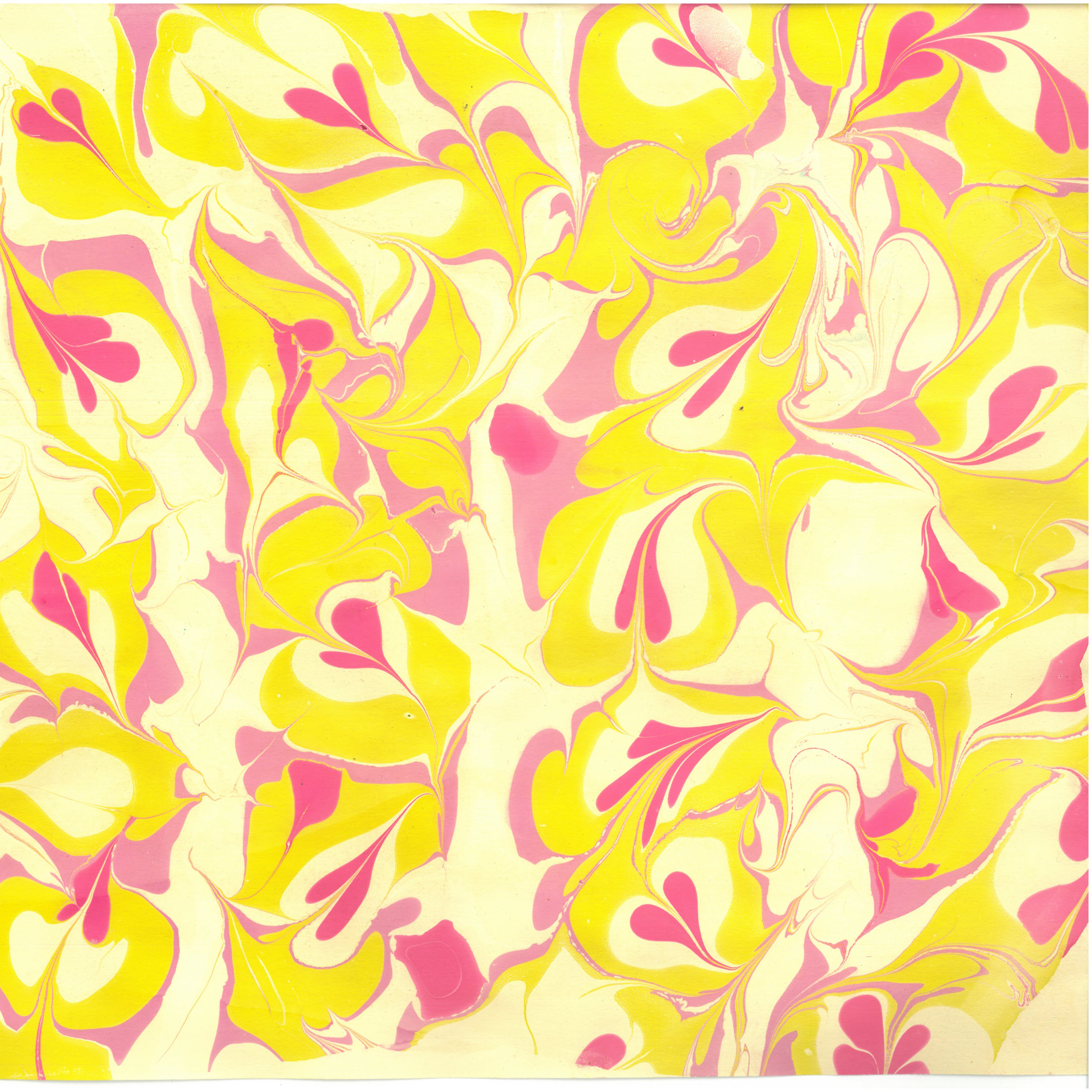
A selection of the final papers.

Time lapse of how the pigment moves around the bath.
Final Outcome
Through this process, I have developed a solid understanding of traditional marbling and how to produce distinctive, one-off papers.
More recently, I have taken this further by successfully applying the technique to heat transfer for fabric, opening up new directions beyond print.
The process is still evolving, but that is part of its value. The outcomes are not fixed, and the potential for application continues to grow.

Marbling rakes